
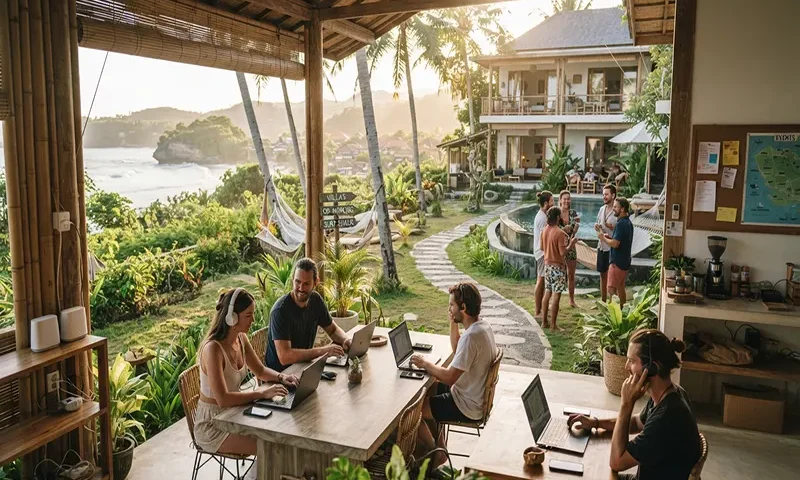
The modern workforce has undergone a permanent structural transformation. Millions of digital nomads, remote software engineers, creative entrepreneurs, and corporate distributed teams have traded traditional static leases for location-independent freedom. They no longer want to work isolated in sterile hotel rooms or noisy cafes; they are searching for spaces that seamlessly blend high-performance productivity with authentic community and adventure.
For aspiring hospitality founders and real estate entrepreneurs, launching a workation and coliving business represents one of the most lucrative and rewarding ventures in the modern economy. Here is a step-by-step roadmap to building a thriving, community-driven coliving space for remote workers.
Step 1: Define Your Niche and Target Audience
Trying to appeal to every type of traveler is the fastest way to fail in the coliving space. Successful coliving businesses cater to a specific tribe of remote workers who share common values, professional goals, or lifestyle interests.
- Identify Your Persona: Will your space focus on tech founders and bootstrapped digital entrepreneurs, creative freelancers (designers, writers, filmmakers), or corporate off-site teams seeking collaborative environments?
- Select the Right Location: Remote workers look for specific geographic markers: inspiring natural or urban surroundings, a low cost of living, great weather, reliable local infrastructure, and a vibrant local culture. Emerging hubs in Southeast Asia, Southern Europe, and Latin America are prime examples.
Step 2: Secure the Property (Lease Arbitrage vs. Ownership)
You do not necessarily need to buy a hotel or a sprawling estate to launch a coliving brand. Capital-efficient entry models allow you to scale smartly:
- Lease Arbitrage: Rent a large residential villa, boutique hotel, or multi-apartment building on a long-term lease, and legally sublease individual rooms and beds as all-inclusive coliving spaces (with landlord approval).
- Revenue-Sharing Partnerships: Partner with local property owners who have underutilized boutique hotels or large estates. You handle the operations, marketing, and community management, and split the revenue.
- Essential Spatial Requirements: Your property must balance privacy and community. It requires comfortable private bedrooms, a massive communal kitchen, a dedicated collaborative coworking space with natural light, and quiet zones for deep work or video calls.
Step 3: Build Bulletproof Digital Infrastructure
For a remote worker, bad internet is an absolute dealbreaker. Your technological infrastructure must be infallible.
- Redundant High-Speed Wi-Fi: Invest in high-speed fiber-optic internet backed up by secondary 4G/5G routers and mesh network systems distributed throughout the property to eliminate dead zones.
- Automation Software: Streamline your operations using modern property management systems (PMS) for bookings, automated keyless smart locks for seamless check-ins, and community communication channels (such as dedicated Slack or WhatsApp groups) to keep residents connected before they even arrive.
Step 4: Cultivate Community and Craft the Experience
A coliving space is fundamentally different from a traditional hotel; it is about human connection, not just a place to sleep. If guests don’t connect, they won’t extend their stay or recommend your space to others.
- The Weekly Rhythm: Establish predictable community events—such as Monday morning kickoff sync-ups, weekly family dinners, skill-share workshops, and weekend excursions or surfing/hiking trips.
- The Community Manager: The beating heart of any successful coliving space is a dedicated community manager. This person acts as the host, facilitator, and local guide who ensures new arrivals feel welcome, breaks the ice, and keeps the energy of the house vibrant and positive.
Step 5: Structure All-Inclusive Pricing Models
Simplify billing for your guests by bundling everything into a single, predictable weekly or monthly rate.
- What to Include: Lodging, 24/7 access to the coworking space, high-speed Wi-Fi, utilities, weekly housekeeping, basic pantry staples (coffee, tea, oil), and access to community events.
- Secondary Revenue Streams: Expand your profit margins by offering airport transfers, laundry services, guided weekend tours, F&B add-ons, or custom corporate team-building retreats during shoulder seasons.
Build a Home Away From Home
Starting a workation and coliving business is about much more than managing real estate—it is about creating a thriving, global home away from home for the modern workforce. By combining high-speed professional infrastructure with deep community culture, you can build a sustainable, future-proof hospitality brand that captures the passion of the remote work revolution.

