
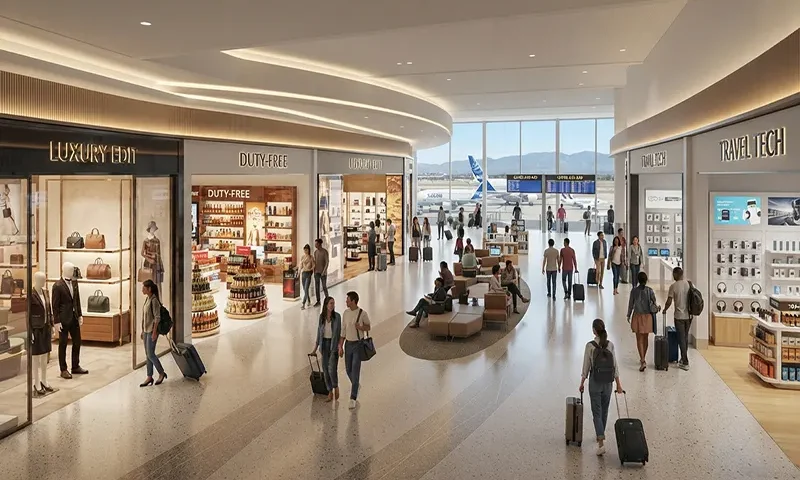
Step into any modern international airport, and you will quickly realize you are standing in something far more sophisticated than a mere transit hub. Behind the gleaming glass facades, soaring ceilings, and sleek gate concourses lies a meticulously engineered commercial ecosystem. Airports are multi-billion-dollar retail machines, and their architectural design is no accident.
Every square foot of a terminal layout is purposefully designed to shape passenger psychology, control foot traffic, and maximize retail engagement. Here is a look at the architectural and psychological science behind how modern airport terminals turn transit spaces into high-performing shopping destinations.
1. The Psychology of “Dwell Time” and the Post-Security Mindset
To understand airport retail design, you must first understand the unique mental state of the traveler.
- The Pre-Security Anxiety: Before security checkpoints, passengers are stressed, time-conscious, and focused solely on logistics, ticketing, and luggage drop. Retail performance in pre-security zones is notoriously low.
- The Post-Security Relief: The moment a passenger clears security, a profound psychological shift occurs. Anxiety plummets, relief sets in, and travelers enter a time-rich, exploratory state.
- Maximizing Dwell Time: This post-security window is known as “dwell time.” Terminal architects design spaces to extend this window, transforming idle waiting time into an opportunity for dining, browsing, and spontaneous purchasing.
2. Architectural Design Strategies: Shaping Flow and Sightlines
Airport layouts do not leave passenger movement to chance. Architects use spatial psychology and strategic geometry to guide foot traffic naturally past high-value storefronts.
- Decompression Zones: Immediately after exiting security, passengers encounter wide, open architectural spaces. This deliberate pause allows travelers to orient themselves, check flight monitors, and transition from a stressed transit mindset into a relaxed shopping state.
- The “Golden Walkway” and Concourse Conduits: Terminal concourses are designed as linear conduits where retail shops flank both sides. By eliminating blind spots and maximizing clear sightlines, designers ensure that storefronts are constantly visible within a passenger’s natural field of vision.
- Open-Storefront Architecture: Traditional walled retail stores create psychological friction. Modern airports mandate open-front architecture with zero physical doors or barriers, creating a seamless visual invitation for travelers to drift in and out without breaking their stride.
3. Strategic Zoning and Retail Placement
Where a shop is placed in a terminal is just as important as what it sells. Airport real estate is zoned with surgical precision:
- High-Impact Anchors: Luxury duty-free flagships, high-end cosmetics, and premium dining are strategically positioned right at the bottleneck where passengers exit security. This captures early attention when wallets are still full and enthusiasm is high.
- Gate-Adjacent Convenience: As passengers move deeper into the concourse toward their boarding gates, the retail mix shifts toward grab-and-go food, last-minute travel accessories, tech gadgets, and convenience goods.
- The Calculated Detour: Architects often design pathways that force passengers to weave through central duty-free walkthroughs to reach their departure gates, making avoidance practically impossible.
4. Sensory Engineering and Environmental Psychology
Beyond physical layout, terminal designers engineer the sensory environment to subtly influence consumer behavior and reduce travel fatigue.
- Biophilic Design and Natural Light: Massive floor-to-ceiling glass walls flood terminals with natural sunlight, anchoring travelers to the passage of time while reducing stress. Lowered stress levels directly correlate with increased browsing and discretionary spending.
- Acoustic Dampening and Lighting: Strategic lighting highlights retail displays while softer light fills walking corridors. Sound-dampening architectural materials reduce the chaotic roar of jet engines, creating an inviting, upscale shopping atmosphere reminiscent of a luxury downtown mall.
The Masterclass in Behavioral Architecture
Modern airport terminal design is a brilliant intersection of architecture, retail strategy, and human psychology. By understanding how passengers move, think, and feel after clearing security, architects and commercial developers transform the simple act of catching a flight into an immersive, highly engaging retail journey.

