
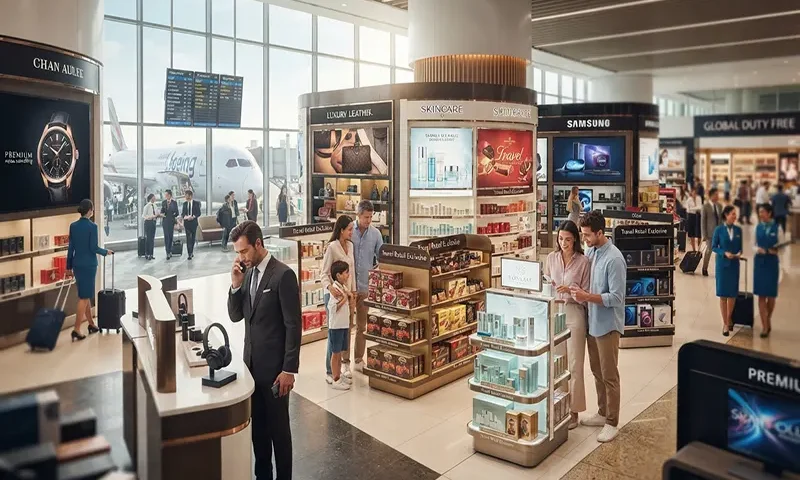
Traditional domestic retail and e-commerce channels are fiercely saturated. For consumer brands seeking high-margin growth, international brand exposure, and access to high-net-worth consumers, a massive frontier beckons: Global Travel Retail (GTR).
Encompassing duty-free airport boutiques, downtown tax-free shops, cruise lines, and border stores, travel retail is a multi-billion-dollar marketplace. However, entering this exclusive ecosystem requires a playbook entirely distinct from traditional retail. Success demands an understanding of unique consumer psychology, complex logistics, and specialized product positioning.
Here is a strategic guide on how consumer brands can successfully enter and scale within the global travel retail market.
Understanding the Unique Ecosystem of Travel Retail
Before launching a GTR strategy, brands must understand the unique triad that governs the channel:
- The Brand: You supply the product, brand equity, and marketing assets.
- The Airport Operator / Landlord: The governing body that owns the physical infrastructure and awards terminal retail space.
- The Master Concessionaire: Global retail giants (such as Avolta/Dufry or DFS) that operate the actual storefronts across international hubs.
Furthermore, the consumer mindset in travel retail is radically different. Travelers are in a unique psychological state—often early for flights, relaxed on vacation mode, and primed for discretionary spending and emotional impulse buying. They view airport shopping not as a chore, but as an experiential part of the journey.
Step 1: Navigate Regulatory, Logistical, and Compliance Hurdles
Entering duty-free and travel retail is notoriously complex due to strict international trade laws and security frameworks.
- Customs and Compliance: Because goods sold in duty-free shops are exempt from local import duties and taxes, supply chains must maintain absolute traceability. Products must be securely tracked from bonded warehouses directly to airside retail points.
- Security and Logistics: Delivering goods airside requires navigating stringent airport security protocols, background checks for logistics personnel, and strict delivery time windows. Partnering with experienced GTR logistics brokers is essential to avoid costly supply chain bottlenecks.
Step 2: Master Product Strategy and “Travel Retail Exclusives”
Standard domestic SKUs often underperform in duty-free environments. To win in GTR, brands must create specialized product offerings.
- The Power of Travel Retail Exclusives (TREs): Travelers actively hunt for items they cannot buy at their local shopping mall. Developing exclusive packaging, oversized volume bundles (such as 1-liter liquor bottles or dual-pack skincare sets), or limited-edition travel sets drives conversion.
- Protecting Pricing Integrity: TREs allow brands to offer distinct value propositions without cannibalizing domestic retail pricing structures or triggering price wars with e-commerce discounters.
Step 3: Embrace Omnichannel Integration and Digital Pre-Ordering
The modern travel retail market no longer relies solely on physical foot traffic. The most successful brands integrate seamlessly into the digital airport ecosystem.
- Click-and-Collect Portals: Savvy brands partner with airport e-commerce platforms to enable digital pre-ordering days before a flight, allowing travelers to lock in purchases and pick them up at dedicated airside collection points.
- Geo-Fenced Digital Marketing: Leveraging mobile advertising and airport app integrations enables brands to target passengers with localized promotions based on their flight destination, nationality, or terminal location.
Step 4: Build Strategic Concessionaire Partnerships
Brands rarely sell directly to consumers in major international airports; they sell through massive global retailers. Securing shelf space requires building deep relationships with master concessionaires.
- Deliver High Visual Merchandising (VM): Airport retail space is fiercely competitive. Brands must invest in striking, high-impact retail displays, interactive testers, and engaging storytelling to capture attention in high-traffic concourses.
Unlocking Global Growth
Entering global travel retail is a marathon, not a sprint. By mastering regulatory compliance, designing compelling Travel Retail Exclusives, and aligning with digital pre-ordering ecosystems, consumer brands can transform international airports from simple transit hubs into powerful engines of global brand equity and revenue growth.

