
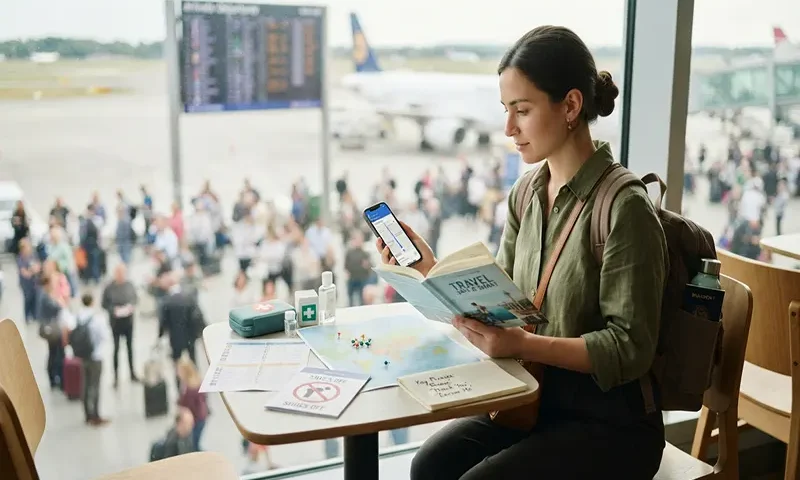
Stepping off a plane into a brand-new country delivers an unmatched rush of adrenaline. The air smells different, the architecture tells a new story, and the language spoken around you creates an exciting sense of discovery. Yet, that initial excitement can quickly turn into vulnerability if you navigate an unfamiliar culture unprepared.
True travel mastery isn’t just about booking flights, finding hidden gems, and packing light. It requires cultural fluency and street-smart safety habits to ensure a seamless, respectful, and deeply enriching journey. Here is your essential guide to staying safe and practicing mindful cultural etiquette anywhere in the world.
1. Pre-Trip Homework: Cultural Research and Local Laws
Before your flight touches down, preparation is your greatest asset. Cultural missteps often stem from ignorance rather than malice, but local communities rarely make that distinction.
- Understand Dress Codes and Religious Norms: Research what is considered modest or respectful attire in your destination. In many conservative regions or holy sites, covering your shoulders, knees, or head is mandatory. Wearing beachwear away from the coast is often viewed as deeply disrespectful.
- Investigate Unwritten Taboos: Simple gestures can carry vastly different meanings across the globe. For example, pointing with your index finger, showing the soles of your feet, or touching someone’s head can range from rude to offensive depending on where you are.
- Know the Local Laws: Laws vary wildly across international borders. Research rules regarding public photography (especially military or government buildings), strict anti-littering fines, drone regulations, and local laws regarding prescription medications (as some common over-the-counter drugs in the West are illegal abroad).
2. Smart Street Safety: Proactive Awareness Without Paranoia
Staying safe on the road does not require living in fear; it requires developing strong, proactive situational awareness.
- Blend In Rather Than Flashing Wealth: Avoid wearing expensive jewelry, high-end designer logos, or flashing expensive camera equipment in crowded public transit hubs. Pickpocketing thrives on distraction.
- Secure Your Digital and Physical Documents: Keep physical photocopies of your passport, visa, and insurance policy in a separate bag from the originals. Save encrypted digital backups in a secure cloud folder or email.
- Master Financial Safety: Notify your bank of your travel dates, use cards with chip-and-pin technology, and rely on ATMs located inside secure bank lobbies rather than dark, street-side machines vulnerable to skimming devices.
3. Navigating Cultural Etiquette on the Ground
Respect is a universal language, and demonstrating a willingness to adapt to local customs opens doors that money cannot buy.
- Learn the Basics of the Local Language: Mastering simple phrases—such as hello, please, thank you, and excuse me—in the local language shows respect. Even if you butcher the pronunciation, locals appreciate the effort.
- Practice Mindful Photography: Always ask permission before photographing individuals, especially elderly residents or children. Never take photos inside sacred temples, prayer halls, or indigenous ceremonies where photography is forbidden.
- Master Dining and Tipping Etiquette: Table manners vary globally. Research whether tipping is customary, offensive, or already included in the bill. Learn local dining customs, such as whether it is polite to finish everything on your plate or leave a small amount.
4. Handling Emergencies Gracefully
Even the most meticulously planned trips can encounter unexpected hiccups. Knowing how to react in an emergency keeps minor inconveniences from turning into major crises.
- Know Emergency Numbers: Memorize or save the local equivalents of 911 (such as 112 in Europe or 119 in parts of Asia).
- Locate Your Embassy: Identify the location and contact details of your home country’s nearest embassy or consulate upon arrival.
- Register with Travel Advisories: If your government offers a traveler registration program (such as the US STEP program), enroll before departure so your consulate can locate or assist you during natural disasters or civil unrest.
Travel with Curiosity and Respect
Safety and cultural etiquette are forms of mutual respect. They protect both you as the traveler and the host community that welcomes you into their home. By packing a healthy dose of situational awareness, deep cultural curiosity, and proactive preparation, you ensure that your next adventure is as safe as it is unforgettable.

