
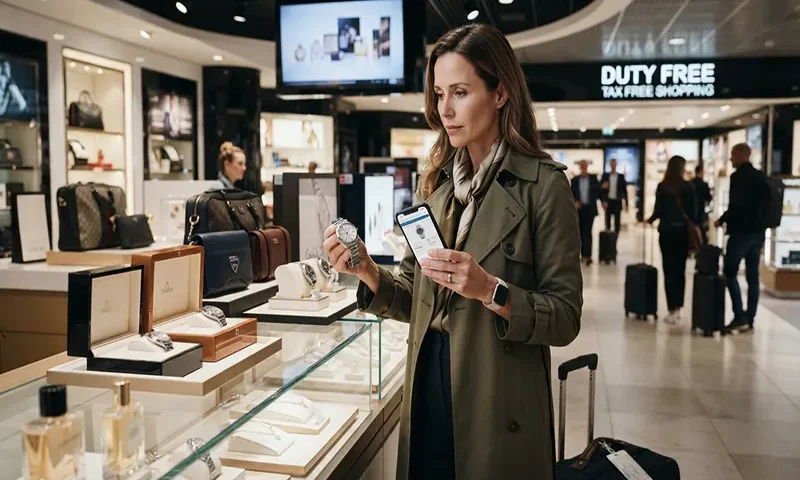
Picture this: You have finally cleared security, found your gate, and have an hour to spare before boarding. As you wander through the terminal, you walk past glittering display windows showcasing Chanel perfume, premium single-malt whiskey, or designer sunglasses. The glossy signs promise “Duty-Free,” hinting at a secret loop in the global economy where you bypass taxes and score high-end luxury goods at a discount.
For many travelers, browsing duty-free shops is an essential part of the vacation ritual. But are these luxury items actually bargains, or are we paying a hidden “captive audience” markup wrapped in clever marketing? Let’s separate marketing hype from economic reality.
What Does “Duty-Free” Actually Mean?
To understand whether duty-free shopping is truly cheaper, you first have to understand how it works. “Duty-free” means goods are exempt from certain local import duties, national taxes, and Value-Added Tax (VAT). Because you are leaving the country and taking the items with you, shops in international airport departures terminals do not have to levy the consumption taxes that local domestic retailers must charge.
However, a major misconception plagues airport retail: “Tax-free” does not mean “markup-free.” Duty-free shop operators still face immense overhead costs—including sky-high airport retail lease rents, expensive logistics, and staffing. To cover these expenses and turn a profit, they price their goods accordingly. Sometimes, those operating costs completely wipe out any savings you would have gained from dodging local taxes.
Luxury Categories Breakdown: Where You Save vs. Where You Lose
Not all luxury items are created equal. The reality of airport pricing varies drastically depending on the category of product you are purchasing.
1. Beauty and Cosmetics: Generally a Good Deal
Skincare and fragrances are traditionally the bedrock of airport duty-free retail, and for good reason. Because cosmetics carry high standard retail markups and heavy domestic consumption taxes, buying them duty-free usually yields genuine savings. Furthermore, beauty brands frequently create airport-exclusive bundles (like oversized skincare jars or multi-pack perfumes) that offer a lower price-per-ounce than standard department stores.
2. Alcohol and Tobacco: The Historical Winners
Spirits, wine, and tobacco products are heavily taxed in almost every country around the world. Because excise and import duties on alcohol can make up a massive chunk of a bottle’s domestic price tag, removing those taxes at the airport often delivers real savings. However, always check local supermarket prices; major global studies have shown that massive discount retailers can sometimes beat airport prices on standard spirits, though premium, rare, or limited-edition bottles remain solid duty-free bargains.
3. Designer Fashion and Leather Goods (Handbags & Accessories): The Illusion
If you are eyeing a classic handbag from a premier luxury fashion house (like Louis Vuitton, Gucci, or Prada), the airport is rarely where you will find a discount. High-end designer brands maintain strict global price uniformity to protect their brand equity. While you might avoid local sales tax, the base price in an airport boutique is often identical to a downtown flagship store. In some cases, because you are a captive buyer with money to burn, retailers set prices slightly higher.
4. Luxury Watches and Jewelry: Proceed with Caution
High-end timepieces and fine jewelry are marketed heavily in upscale international hubs like Dubai, Singapore, or Zurich. While you can save on the local VAT, watch pricing is heavily dependent on volatile international exchange rates. Buying a luxury watch abroad can also complicate your journey regarding customs declarations and international warranty cards, meaning the nominal “savings” might not outweigh the risks.
The Hidden Costs and Traps of Airport Shopping
Beyond base pricing, several subtle traps can turn a “duty-free deal” into an expensive mistake:
- Dynamic Currency Conversion (DCC) Traps: When paying at the airport counter, you may be asked whether you want to pay in your home currency or the local airport currency. Choosing your home currency often triggers terrible exchange rates set by the merchant, silently eating away at any savings.
- Customs Allowances and Duties: Remember that duty-free only means you don’t pay tax in the departing country. When you return home, your home country’s customs agency enforces strict duty-free limits. If you exceed your legal exemption threshold, customs officers can tax your luxury goods upon arrival, neutralizing your savings or hitting you with fines.
- Impulse Buying Psychology: The greatest cost of duty-free shopping isn’t the item itself—it’s the purchase you wouldn’t have made otherwise. Walking out with a $150 bottle of perfume just because you were bored for 45 minutes isn’t saving money; it’s a $150 expense you hadn’t planned on.
Pro-Tips: How to Know If You’re Getting a Real Deal
To ensure you aren’t falling for an airport pricing illusion next time you travel, keep these strategies in mind:
- Do a Quick Online Check: Before pulling out your credit card in the terminal, search for the exact item on your phone to check standard online or department store prices in your home country.
- Prioritize Consumables and Exclusives: Stick to items where duty-free traditionally shines—travel-exclusive cosmetics sets, localized spirits, or specialty chocolates.
- Know Your Home Customs Limits: Familiarize yourself with the personal exemption allowances of your destination or home country to avoid unexpected taxes at baggage claim.
The Final Verdict
Is duty-free shopping in airports actually cheaper for luxury goods? Sometimes, but rarely for high-end designer items. While you can genuinely save money on beauty products, cosmetics, and heavily taxed spirits, major luxury goods like designer fashion and fine jewelry rarely come with steep discounts. Treat airport duty-free as a fun, convenient way to pick up travel-exclusive treats—not as a foolproof discount loophole.

