
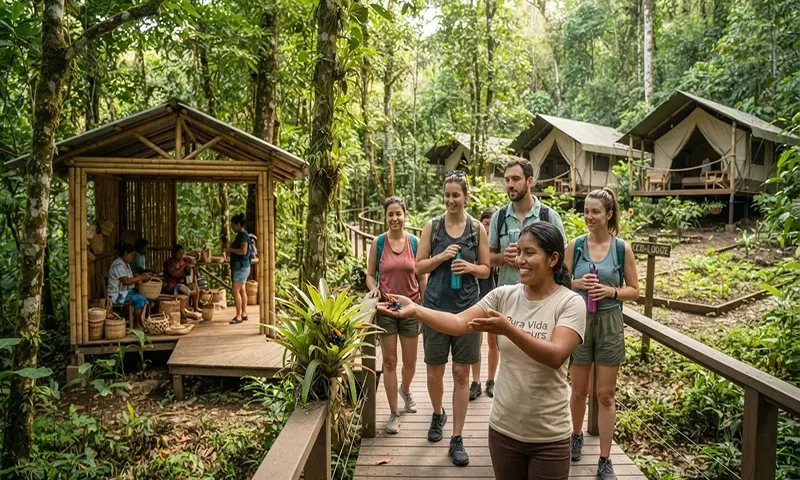
The travel landscape has undergone a profound psychological shift. Today’s travelers are no longer satisfied with passive sightseeing or mass-market resorts that leave a heavy carbon footprint. Instead, they are actively seeking out regenerative travel—experiences that leave a destination better than they found it.
For aspiring entrepreneurs, this evolution presents an incredible opening. A common misconception suggests that entering the ecotourism market requires hundreds of thousands of dollars to build an off-grid jungle lodge or purchase a fleet of electric vehicles. In reality, some of the most profitable and impactful green travel businesses are asset-light, service-driven enterprises that can be launched with minimal startup capital.
The Shift to Regenerative Travel and Low-Asset Models
Traditional tourism extracts value from a destination, while standard ecotourism attempts to minimize harm. Regenerative travel, however, actively restores ecosystems, supports local economies, and fosters deep cultural appreciation.
Because modern travelers crave authenticity, connection, and guilt-free exploration, you do not need physical brick-and-mortar infrastructure to succeed. Service- and experience-based eco-businesses thrive on local knowledge, storytelling, and creative partnerships rather than heavy capital expenditure.
Top Low-Startup Eco-Tourism Business Ideas
1. Niche Eco-Walking and Nature-Interpretation Tours
You don’t need to travel to the Amazon rainforest to run a nature tour; unique ecosystems exist right in your backyard.
- The Concept: Lead specialized walking tours focusing on local flora, fauna, urban rewilding, geology, or historical foraging.
- Why It Works: Overhead costs are virtually zero—your primary investment is your own deep research, communication skills, and local expertise.
2. Bicycle-Based or E-Bike Exploration Tours
Slow travel is booming, and human- or electric-powered transit is at its core.
- The Concept: Design cycling routes through scenic countryside, agricultural valleys, or hidden urban neighborhoods that bypass traditional tourist congestion.
- Why It Works: Instead of buying an expensive fleet upfront, you can partner with existing local bike rental shops on a commission basis or start small with a handful of refurbished bikes, scaling as revenue grows.
3. Sustainability Consulting for Small Hospitality Businesses
Many boutique hotels, local B&Bs, and family-owned tour companies want to go green but lack the roadmap or time to implement eco-friendly practices.
- The Concept: Offer consulting services to help local operators transition to zero-waste protocols, energy-efficient lighting, local farm-to-table sourcing, and plastic-free amenities.
- Why It Works: This is a pure knowledge-based business requiring zero physical inventory. You earn income by helping other businesses lower their operating costs and appeal to eco-conscious consumers.
4. Curated Voluntourism and Community-Led Experience Broker
Travelers increasingly want to give back meaningfully rather than just taking photos.
- The Concept: Act as a bridge between conscious travelers and local grassroots organizations, wildlife sanctuaries, reforestation projects, or indigenous artisan cooperatives. Design multi-day itineraries centered around hands-on conservation work.
- Why It Works: You don’t own the conservation projects or the land; you curate, organize, and market the experience, building revenue-sharing partnerships with the local community leaders doing the actual frontline work.
5. Nature-Based Wellness and Mindfulness Retreats
Mental health and nature connection are merging into a massive wellness tourism sector.
- The Concept: Host weekend forest-bathing, outdoor yoga, or digital-detox retreats.
- Why It Works: Rather than buying a retreat center, partner with existing off-grid glamping sites, organic farms, or rural landowners during their off-peak weekdays. You bring the programming; they provide the space.
Keeping Startup Costs Low: Smart Asset-Light Strategies
To keep your financial risk near zero while building a sustainable tourism startup, apply these core strategies:
- Leverage Revenue-Sharing Partnerships: Instead of renting office space or buying equipment, negotiate revenue splits with local landowners, gear providers, and independent guides.
- Bootstrapped Digital Marketing: Skip expensive paid advertising in the beginning. Focus instead on organic storytelling through short-form video platforms, educational blogging, and highlighting the behind-the-scenes conservation efforts of your business.
- Test the Minimum Viable Product (MVP): Before investing in logos, websites, or permits, run a pilot tour with a small group of friends or local volunteers to refine your offering based on real feedback.
Ensuring Authentic Sustainability
The golden rule of ecotourism is transparency. True green businesses avoid “greenwashing” by committing to real metrics: minimizing single-use plastics, respecting wildlife boundaries, ensuring fair wages for local partners, and actively reinvesting a percentage of profits back into local environmental or community initiatives.
Launching Your Green Enterprise
Building a sustainable tourism business does not require a venture capital backing; it requires creativity, deep respect for local ecosystems, and a passion for storytelling. By focusing on asset-light, service-driven models, you can turn your love for the planet into a thriving, profitable enterprise that makes a genuine difference.

